Will there be tariffs on imported automotive parts, or won’t there? Are vehicles built outside the country subject to tariffs? Will sales continue to surge?
The looming threat and irresponsible use of tariffs as a tool to get some countries to do what the current federal government administration desires means uncertainty in the United States. This has led to strong sales of new vehicles in March and April but May might be the end of this sales surge. The results aren’t in yet, but May 2025 should be stronger than the same month a year ago but will likely end at lower sales figures than March and April, when new vehicle sales soared.
The supply and demand factor
Will automotive prices increase due to applied tariffs, or are these price increases the result of another natural phenomenon? With increased sales of new vehicles covering a three-month period, prices are likely going to increase because many dealers could have a shortage of vehicles to sell. This could lead to a natural change in the market in which automakers stop offering incentives for purchases and dealers increase prices due to the demand for the inventory remaining on their lots. This could mean slower sales in June that aren’t caused by tariffs but by the low supply, which causes high demand for these vehicles.
Many later shoppers struck early
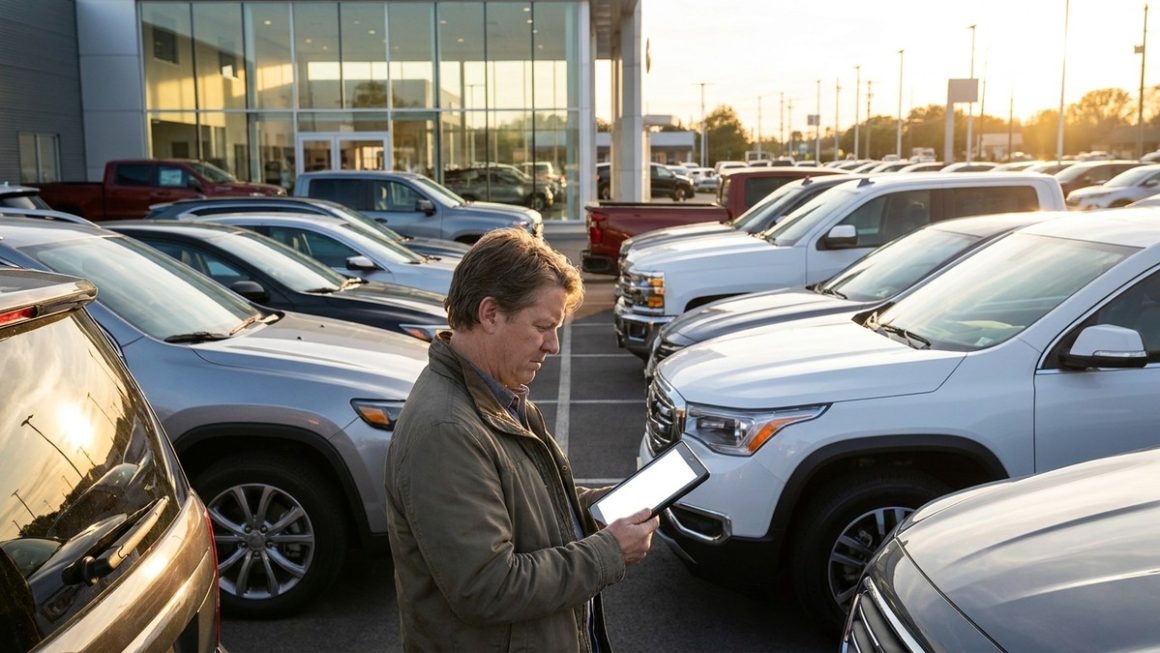
With the threat of tariffs hanging over every industry in the country, some shoppers who might have waited until autumn and the new model year chose to buy a new vehicle several months earlier than they would have to avoid the price inflations due to tariffs. In the most extreme cases, tariffs could increase the price of some vehicles by as much as 25%. That is a huge increase for vehicles, and that additional money doesn’t represent any significant increase in the value or packaging of the vehicles being sold. The possibility of these massive price increases caused some shoppers to take advantage of spring sales incentives.
Summer months are typically slower
Traditionally, the summer months of June, July, and August are some of the slowest sales months for vehicles. This is a natural occurrence as many shoppers focus on their summer vacations and at-home projects, and most dealerships don’t have the incentives and rebates that are typically offered in the spring and fall. This change in the market is natural and doesn’t have anything to do with supply and demand or tariffs. The only surge most dealers will see during the summer months occurs around the Independence Day holiday. Still, some experts suggest the cooling-off period during the summer could be much more significant than in years past due to early shoppers looking to avoid tariffs.
Some shoppers are taking a different approach
Instead of rushing to dealerships to purchase new vehicles, some shoppers are waiting to see if the tariffs actually happen. The threat of these unnecessary taxes has some shoppers worried, but the back-and-forth actions early in the current administration have caused these consumers to sit back and watch to see what’s going to happen. They might not need to buy their next vehicle sooner than expected and can wait until the next model year versions arrive, which they want to do. These shoppers could be waiting for prices or interest rates to drop before buying their next vehicles.
Rising vehicle prices don’t help
Vehicle prices increase nearly every year, but there should be a point in which new models are just too expensive for the average consumer. Despite the new technology included in vehicles, some consumers simply can’t pay for vehicles with average sticker prices of nearly $50,000 or more. Unfortunately, this means some shoppers will have to turn to used cars, the average price of which has risen to nearly $29,000. This could be a serious problem for consumers and the automotive industry, and adding price increases through tariffs doesn’t help the situation at all. At some point, something has to give.
Are you among the many shoppers who flocked car dealers in the spring to beat the tariffs, or are you waiting for the next model year? Are new vehicle prices getting out of control and becoming too high for you? The prices are increasing, and incentives are disappearing, which could cause the summer months to be much slower than expected. Adding non-value increases through tariffs to vehicle prices won’t help the situation but could be added to new models in the upcoming months.
This post may contain affiliate links. Meaning a commission is given should you decide to make a purchase through these links, at no cost to you. All products shown are researched and tested to give an accurate review for you.