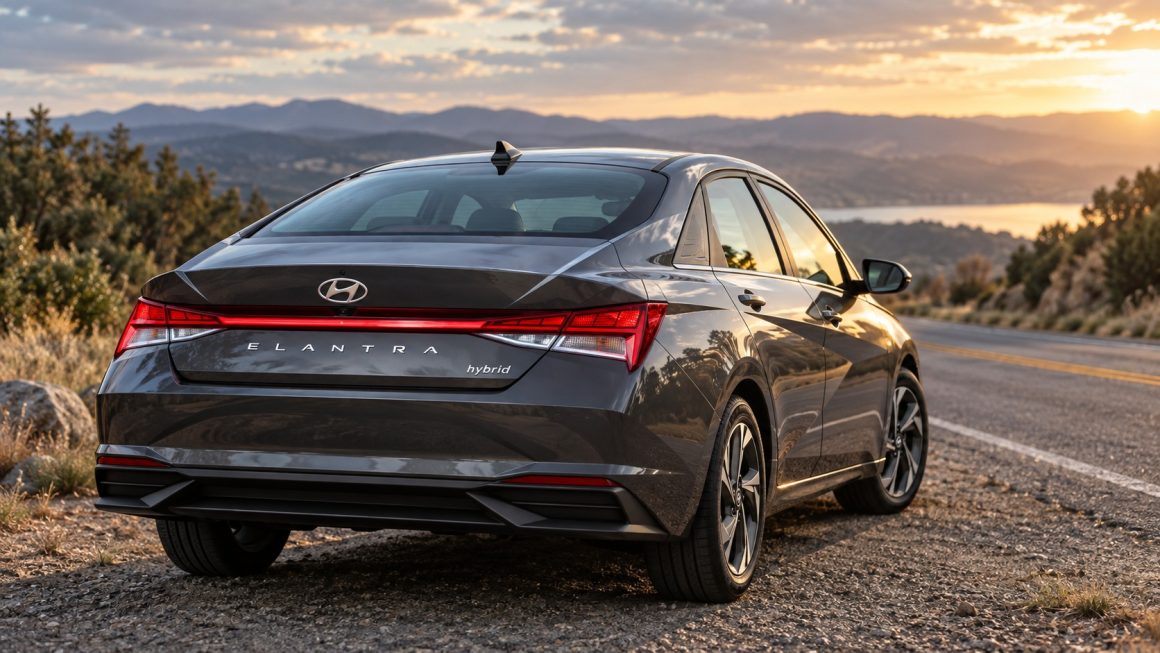
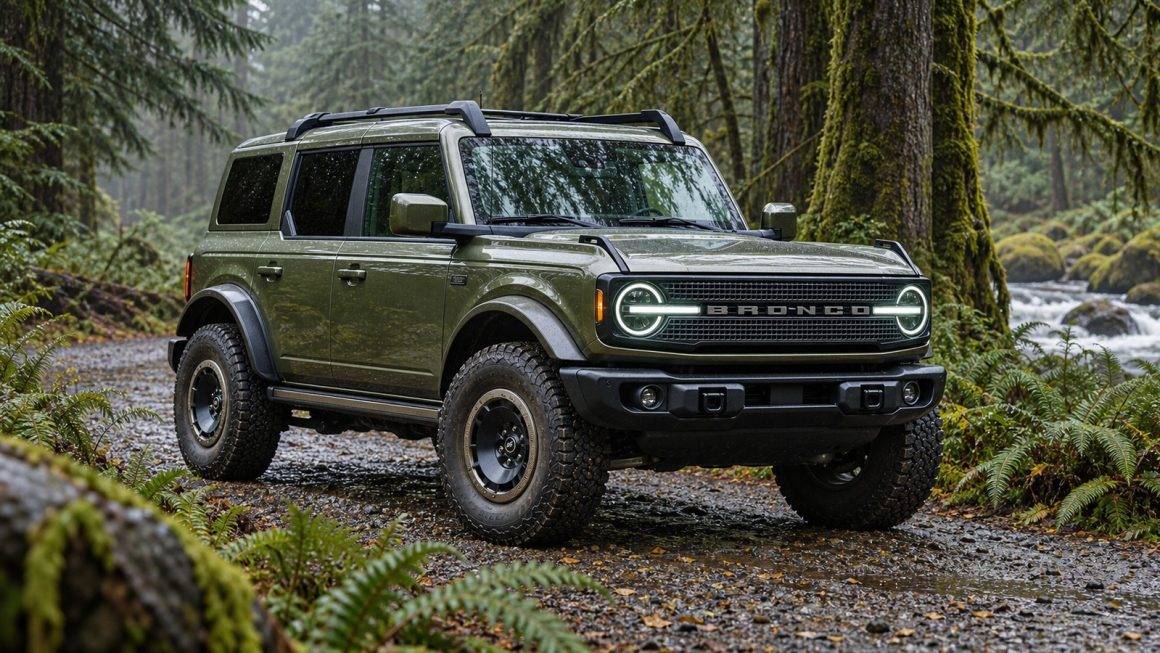
Ford just became the second automaker to sell cars on Amazon, but there’s a twist. They’re only offering certified pre-owned models through dealers in Los Angeles, Seattle, and Dallas. Browse inventory within 75 miles, pick your financing, and fill out most of the paperwork online before scheduling pickup at a dealership. No haggling over price, everything comes with Ford’s Blue Advantage warranty, and you get 14 days or 1,000 miles to change your mind. Around 180 of Ford’s 2,900 dealers have already raised their hands to join. The whole thing makes sense when you realize new cars are pushing past $50,000 and three-year-old used cars are selling for around $31,000, the highest prices in three years.
- Ford dealers in three cities can now sell certified pre-owned vehicles through Amazon Autos, with national expansion planned for 2025.
- All vehicles include Ford Blue Advantage certification with warranties up to 12 months or 12,000 miles, plus a 14-day return policy.
- The move comes as new car prices hit record highs around $50,000, pushing more buyers toward the used market.
Amazon Wants to Own Your Whole Driveway
Open up Amazon right now and you can buy a three-year-old F-150 the same way you’d order laundry detergent. Ford announced last week they’re selling certified pre-owned vehicles through Amazon Autos, joining Hyundai as the only automakers on the platform. But Ford’s playing a different game. While Hyundai sells brand-new cars online, Ford’s betting that used vehicles are where the real action is.
Here’s how it works. You log into Amazon, search for Ford vehicles within 75 miles of your zip code, and filter by model, year, color, whatever you want. Every listing shows you the real price upfront with no hidden fees, full vehicle history, and all the specs you’d see on a dealer lot. Pick your financing option from several lenders, start the paperwork online, and schedule a time to pick up the car at your local Ford dealer. The whole process cuts out the back-and-forth negotiating that makes car buying such a pain.
Why Used Instead of New?
Ford’s choice to go certified pre-owned tells you everything about the current car market. New car prices hit an all-time high in September at $50,080, according to Kelley Blue Book. That’s pricing out a huge chunk of buyers who can’t stomach those payments. Meanwhile, the used market is sitting at around $31,764 on average, still way higher than before the pandemic but at least within reach for more people.
The math works better for dealers too. A certified pre-owned Ford comes with Ford Blue Advantage certification, which means it’s been through a 172-point inspection for Gold Certified vehicles. You get a 12-month or 12,000-mile warranty covering more than 1,000 components. That’s real protection, which is what separates these from random Craigslist finds. And if you change your mind within 14 days or 1,000 miles, you can return it. Try doing that with a new car.
Hyundai Got There First
Hyundai beat Ford to the punch by a year. They launched on Amazon Autos in December 2024, selling new vehicles in 48 cities. The difference is that Hyundai sells everything fresh off the assembly line. You could order a new Hyundai Elantra, a Tucson, a Palisade, whatever they have in stock at participating dealers. Ford looked at that and said, “We’ll take the used car angle instead.”
Both approaches work because they solve the same problem. Car shopping sucks. You waste a Saturday driving between dealerships, dealing with sales tactics from the 1980s, and trying to figure out if you’re getting ripped off. Amazon’s betting people would rather browse cars on their couch, which seems like a pretty safe bet.
Dealers Still Get Their Cut
Don’t worry about dealerships disappearing anytime soon. Amazon isn’t selling these cars directly. They’re just providing the digital storefront. The local Ford dealer still sets the price, handles the final paperwork, does the vehicle handoff, and manages all the service after the sale. Amazon takes a cut for bringing the customer to the door, but dealers keep their piece of the transaction.
About 180 Ford dealers jumped in right away, with maybe a dozen fully launched at this point. That’s out of roughly 2,900 total Ford dealers nationwide, so there’s room to grow. Ford says more dealers are signing up every week as they see how it works. For dealers, it’s another way to reach customers who might never visit their physical lot.
What This Means for Regular Buyers
If you’re shopping for a used Ford right now and you live in Los Angeles, Seattle, or Dallas, you’ve got a new option. Browse on Amazon, compare prices across multiple dealers without making phone calls, see all the details upfront, and lock in your financing before you step foot anywhere. The dealers can’t play games with the price because it’s listed right there on Amazon for everyone to see.
The selection varies by dealer. Some might have 20 certified pre-owned Fords listed, others might have five. You’re limited to a 75-mile radius, which covers most metropolitan areas but won’t help if you live out in the middle of nowhere. And it’s only Ford right now, though Amazon says more brands are coming in 2025.
The Bigger Picture on Car Buying
Ford and Hyundai are testing what happens when you strip out the traditional car-buying friction. No more spending three hours at a dealership. No more “let me check with my manager” every 15 minutes. Just pick your car, pick your payment plan, and go get it when you’re ready.
Whether this becomes the new normal depends on how many people actually use it. Online car buying platforms have been around for years with mixed results. Carvana built a whole business on it, then nearly went bankrupt. Other platforms struggled to scale. Amazon has something those companies didn’t have: 200 million Prime members who already trust buying big-ticket items online.
What Comes Next
Ford plans to expand beyond the three launch cities throughout 2025. More dealers will sign up as they see it working. Amazon says other automakers are in talks to join the platform, though they won’t say who. Used EVs might show up eventually, though Ford’s keeping that close to the vest for now.
The real question is whether traditional car buyers will trust buying a used car sight unseen, even with all the certifications and return policies. Some people need to kick the tires, literally. Others just want the lowest price and the least hassle. Amazon’s betting there are enough people in that second group to make this work. Based on how much we buy online already, they’re probably right.
This post may contain affiliate links. Meaning a commission is given should you decide to make a purchase through these links, at no cost to you. All products shown are researched and tested to give an accurate review for you.