Ford is lining up what might be its most ambitious product push in a generation. The Blue Oval says it will refresh most of what it sells in America within three years, build a new affordable electric truck, and roll out fresh versions of the F-150 and Super Duty. It’s also shaking up how the company builds cars in the first place.
- 80% refresh by 2029: nearly every North American model gets replaced or updated.
- New trucks incoming: next-gen F-150, Super Duty, a midsize pickup, and the first UEV-platform electric truck.
- Internal reset: a new Product Creation and Industrialization group unites engineering, software, and manufacturing.
A Sweeping Portfolio Renewal
By 2029, Ford says it will refresh 80% of its North American portfolio by volume and 70% of its global portfolio by volume. That’s a big commitment for a company whose lineup has been aging in several key spots. The current 14th-generation F-150 pickup is already six years old in the market, and the present Super Duty is three years old after its 2023 debut.
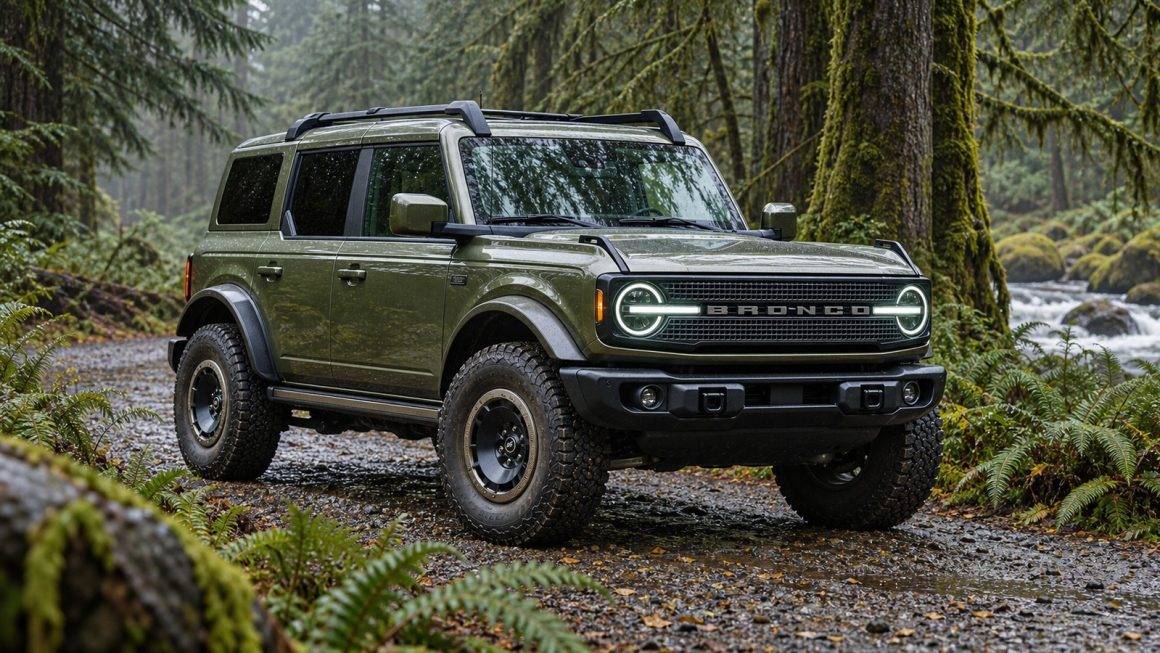
The refresh reaches far beyond pickups. Included are mainstream workhorses like the F-150, Super Duty, Explorer, Escape, Bronco, and Mustang, along with their hybrid and battery-electric counterparts. If you’ve driven a used Ford from the last decade, almost all of those nameplates are getting reimagined before 2030.
Trucks at the Center of the Plan
The F-150 still drives most of the story. Ford pushed the next-generation pickup’s debut to 2028, arriving as either a 2028 or 2029 model year truck. Production is reportedly slated for April 2028, and the pickup may use supercapacitors from Clarios, which is gearing up to produce the parts for the F-Series.
The electric side of the truck lineup is also shifting. A new F-150 Lightning is part of the equation, though the formerly all-electric nameplate will use an EREV powertrain when it returns. CEO Jim Farley has signaled that the next F-Series will aim for big gains in cost, technology, and powertrain choice rather than small tweaks.
Heavy-duty buyers aren’t left out. The Super Duty is on deck for updates in 2027, including an expanded Tremor lineup and a Carhartt Edition, with a full generational swap expected to follow in 2029.
The Universal EV Platform and Affordable Electrics
Ford’s answer to the affordability problem in EVs is a new architecture born out of its Skunkworks team. It pairs an efficient powertrain with a zonal electrical setup, in-house software controls, and ADAS that can support a wide range of vehicle types and battery chemistries. The design uses “unicastings” to cut weight and complexity, which opens the door to a simpler assembly process.
The first vehicle on this Universal Electric Vehicle platform will be a midsize pickup, giving Ford a shot at the smaller, cheaper electric truck buyers have been asking for. By 2030, Ford plans to roll out updated electrical architectures across 90% of its production vehicles under the Ford and Lincoln brands.
A New Team Behind the Scenes
To pull all this off, Ford is reorganizing how it develops vehicles. The new group, called Product Creation and Industrialization, will be led by Kumar Galhotra. The goal is to fuse design, software, and manufacturing under one roof instead of treating EVs and gas vehicles as separate silos.
That shift comes with a notable exit at the top. The company confirmed that Doug Field, who joined five years ago to steer its push into electrified, connected, and software-defined vehicles, will leave within the next month. Field played a central role in shaping the new organization tasked with tying together hardware, software, and manufacturing.
The financial stakes are real. His departure lands at a tricky moment, as Ford leans on this structure to execute its broad product overhaul and move toward an 8% adjusted EBIT margin by 2029. Hitting that number means every launch between now and the end of the decade has to land cleanly.
What Shoppers Should Watch For
For buyers, the practical takeaway is patience, then payoff. Truck shoppers waiting on the next F-150 have roughly two years before it lands. In the meantime, expect Ford to keep pushing hybrid variants, over-the-air software updates, and special trims to bridge the gap. If the UEV-based midsize pickup arrives at a price that undercuts today’s electric trucks, it could reshape what an affordable EV actually looks like in America.
This post may contain affiliate links. Meaning a commission is given should you decide to make a purchase through these links, at no cost to you. All products shown are researched and tested to give an accurate review for you.